What Is Uncuymaza? Real Meaning, Origins, and the Wellness Myth Explained
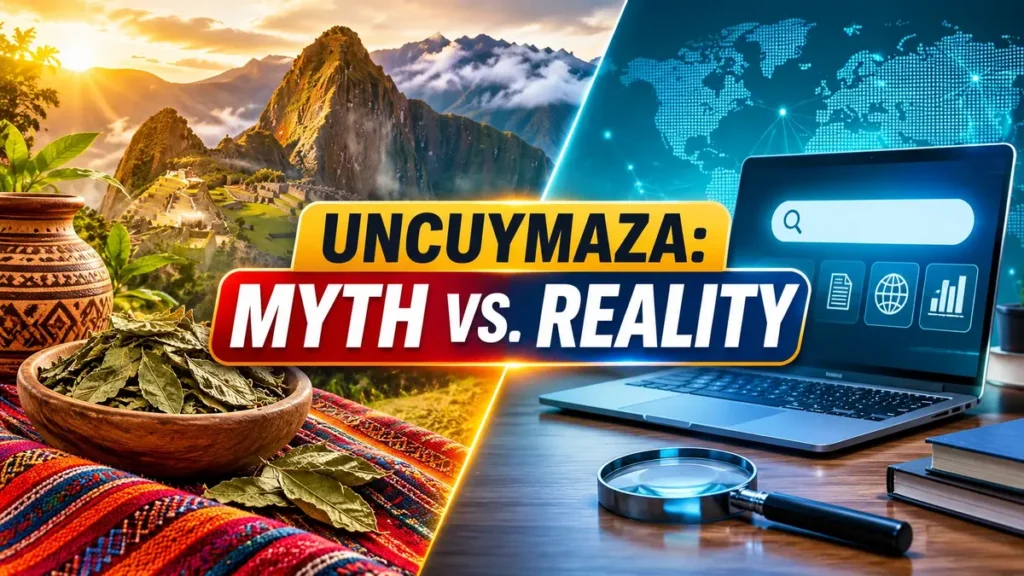
TL;DR: Uncuymaza has no verified dictionary definition or ancient linguistic root. Instead, the term appears online in four distinct ways: as a general-interest lifestyle website, a plausible search typo blending two Argentine universities (UNCuyo and UMaza), an informal metaphor for rough creative drafts, and an unverified Andean wellness claim.
If you search for uncuymaza, you will immediately run into conflicting stories. One page describes it as an ancient Andean philosophy passed down through generations. Another treats it as a technology and fitness website. A third connects it to higher education in South America.
So which explanation is accurate? When you compare these online claims against linguistic dictionaries and historical records, a clearer picture emerges. Rather than being a single ancient tradition, the word functions as a modern internet label that different writers have shaped to fit different topics.
This guide breaks down what can and cannot be verified, explains where the wellness myth came from, and helps you read articles about the term with a sharper eye.
Key Takeaways
- No Official Definition: No major dictionary, university archive, or government registry defines the word as an established historical term.
- The Andean Claim Is Unverified: While Andean values like reciprocity are real, linguists do not recognize this specific word as an ancient healing practice.
- The Digital Platform Exists: In practical usage, the word most often refers to a multi-topic blog covering technology, lifestyle, and wellness tips.
- Plausible Search Origins: Search behavior suggests the keyword likely grew out of a blended search for Argentina’s UNCuyo and UMaza universities.
- Context Matters Most: Because the word has no fixed meaning, the surrounding topic tells you how a writer is using it.
What Is Uncuymaza? The Straight Answer
At present, uncuymaza has no single, official definition. It is neither a documented indigenous ceremony nor a recognized medical practice. Instead, the word lives almost entirely on blogs, content portals, and social media posts.
Think of it as a flexible online label rather than a settled historical concept. Because no dictionary anchors its meaning, writers and site owners borrow the word and define it to match their own content.
In practice, you will encounter the term in four distinct forms:
- The Cultural Claim: Described by some lifestyle blogs as an ancestral Andean wellness concept.
- The University Search Blend: A plausible search mix-up combining two universities in Mendoza, Argentina.
- The Digital Content Portal: An active, multi-topic website publishing general articles on tech, fitness, and daily living.
- The Creative Metaphor: An informal phrase used by some writers to describe the messy early stages of a project.
Where Does the Term Come From? Four Competing Explanations
1. The Andean Tradition Claim vs. Quechua Linguistics
Several blogs state that the word comes from Quechua, the indigenous language family spoken by millions across the Andes. These articles often connect the term to authentic Andean values, such as respect for Pachamama (Mother Earth) and ayni (mutual community support).
While those cultural values are deeply real and well documented, there is no academic or linguistic evidence confirming that this exact word is genuine Quechua for holistic wellness.
In fact, the closest documented Quechua root is unquy (also spelled onqoy), which translates to “illness,” “disease,” or “infirmity.” Historians know the root from Taki Unquy, a 16th-century Andean resistance movement translated as “dancing sickness.” Furthermore, official databases of indigenous traditions, such as the UNESCO Intangible Cultural Heritage Lists, contain no record of the term as a traditional practice.
When a blog claims ancient roots without citing a linguist, a historical archive, or an indigenous community voice, treat the story with caution.
2. The UNCuyo and UMaza University Mix-Up
A more practical theory looks at how people type searches into Google. In Mendoza, Argentina, two major institutions sit near one another:
- UNCuyo: Universidad Nacional de Cuyo
- UMaza: Universidad Juan Agustín Maza
Prospective students and local residents frequently search for both schools when comparing degree programs, admissions, or regional events. Typing a blended query like “uncuyo maza” without a space creates the exact spelling of the keyword.
While this remains a plausible theory rather than proven history, it explains how an accidental search string can register in keyword tools and inspire websites to write articles around it.
3. The Lifestyle and Content Platform
In its most verifiable form, the word serves as the name of a general-interest digital publication (uncuymaza.com). Articles published under this banner cover a wide mix of everyday topics:
- Consumer technology and gadget reviews
- Basic fitness routines and wellness habits
- Home organization and productivity tips
- Entertainment and pop culture updates
The pitch is simple variety: one portal where readers can browse general lifestyle ideas. As with any multi-topic website, article quality can vary, so it is always smart to check who wrote a post and whether health or technical claims cite reliable sources.
4. The Informal Creative Metaphor
A smaller group of writers and artists use the word loosely as a creative metaphor. For them, it represents the disorganized, uncertain stage at the very beginning of a project—when sketches pile up, drafts contradict each other, and nothing feels finished.
Giving that uncomfortable stage a name helps some creators accept messiness as a normal part of drafting rather than a sign of failure. Even if the word’s origin is unclear, using it as personal shorthand for “rough ideation” is harmless, provided you recognize it as casual slang rather than an established art movement.
Uncuymaza Meanings Compared
Because none of the historical claims has independent verification, comparing the four uses side by side makes it easier to evaluate what you read online.
| Interpretation | Where It Appears | Main Idea | Evidence Level | How to Read It |
| Andean Cultural Concept | Travel and holistic wellness blogs | Reciprocity, nature connection, ancestral balance | Weak: Andean values are real, but the word itself is unverified. | Appreciate the respect for nature, but do not treat the word as verified Quechua history. |
| University Search Mix-Up | Search engine autocomplete data | Blended search for UNCuyo and UMaza in Mendoza | Plausible: Matches regional university acronyms, though unconfirmed. | Understand it as a likely example of how search typos become keywords. |
| Multi-Topic Content Site | General lifestyle portals | Articles on tech, fitness, entertainment, and daily habits | Verified: The website exists and publishes general content. | Read as a standard blog; verify medical or technical tips elsewhere. |
| Creative Drafting Metaphor | Writing and art blog posts | Embracing the chaotic, unstructured start of a new project | Informal: Used casually by online writers as a personal metaphor. | Use it as a helpful mindset prompt if you struggle with perfectionism. |
Context Clues: How to Tell Which Meaning a Writer Intends
You can usually tell which version of the word an article is using within the first few sentences by checking the surrounding vocabulary:
| If the article mentions… | It is likely referring to… |
| Pachamama, Quechua, sacred reciprocity, or ancient rituals | The cultural wellness interpretation |
| Mendoza, campus admissions, degree courses, or Argentina | The UNCuyo / UMaza university search mix-up |
| Smartphone apps, workout splits, home decor, or tech trends | The multi-topic lifestyle content portal |
| Rough drafts, blank pages, brainstorming, or creative blocks | The informal creative metaphor |
Applying the Positive Habits Without the Myth
Many people search for uncuymaza because they are drawn to the promise of slower, healthier, more intentional living. You do not need an unverified ancient label to enjoy those benefits in your own routine.
If you want to apply the grounded lifestyle habits often discussed alongside the term—or work through a messy creative draft—focus on these practical, evidence-backed steps:
- Align With Natural Light Cycles: Step outside for morning daylight within an hour of waking, and dim bright screens before bed to support steady energy.
- Choose Whole, Seasonal Foods: Focus on fresh vegetables, fruits, and proteins grown in your region rather than relying on expensive, heavily marketed superfoods.
- Protect Unstructured Creative Time: When starting a complex project, set a timer for 20 minutes and write or sketch freely without stopping to edit yourself.
- Verify Health Advice First: Before trying a new fitness or sleep routine from a general blog, check the guidance against clinical resources like the Mayo Clinic Adult Health Sleep Guide to ensure it is safe and proven.
How to Evaluate Sources Covers Loosely Defined Terms
When a keyword has no dictionary definition, source quality matters more than usual. You can protect yourself from misinformation by running any unfamiliar lifestyle article through four simple checks:
- Check the Author Byline: Look for a named writer with relevant research or subject experience rather than an anonymous “Admin” label.
- Look for Primary Links: Reliable cultural articles link to university researchers, museums, or recognized linguistic references rather than citing other blogs.
- Separate Values From Vocabulary: Respect genuine indigenous traditions like ayni while remaining skeptical of modern articles that invent new buzzwords without community credit.
- Watch for Hidden Sales Pitches: If a page uses mysterious ancient stories to sell an expensive supplement or coaching program, view its historical claims with caution.
Frequently Asked Questions
Is uncuymaza a real Quechua word?
No linguistic dictionary or academic source confirms that it is a real Quechua word for wellness. While some blogs link it to Andean traditions, the closest documented Quechua root is unquy, which actually translates to “illness” or “sickness” rather than holistic healing.
What is the uncuymaza website?
In practical internet usage, it refers to a multi-topic digital content platform that publishes general articles about technology, entertainment, fitness, and lifestyle trends. The site serves as a broad informational blog rather than a specialized academic or medical resource.
How is the word connected to universities in Argentina?
Search analysts note that the word looks like a blended typo combining two well-known universities in Mendoza, Argentina: Universidad Nacional de Cuyo (UNCuyo) and Universidad Juan Agustín Maza (UMaza). Typing both names together without spaces creates the exact keyword.
Why do some articles call it a creative process?
Some online writers and artists use the word informally to describe the messy, disorganized beginning of a creative project. Naming that foggy early stage helps creators draft freely without judging their rough ideas too soon.
Can I trust health advice found under this topic?
General wellness themes often attached to the word—like mindfulness, adequate rest, and eating whole foods—are healthy habits. However, because the term has no clinical backing, you should always verify specific diet or fitness claims with a licensed healthcare professional.
Conclusion
Ultimately, uncuymaza is best understood as a modern internet keyword with several competing stories rather than one fixed historical truth. Depending on where you click, it can point to a multi-topic lifestyle portal, a plausible search mix-up involving Argentine universities, an informal creative metaphor, or an unverified Andean wellness narrative.
By reading each claim in context and checking whether sources back up their history, you can take away useful ideas for slow living and creativity without mistaking internet lore for verified fact.